Episode 5 · · 33 min
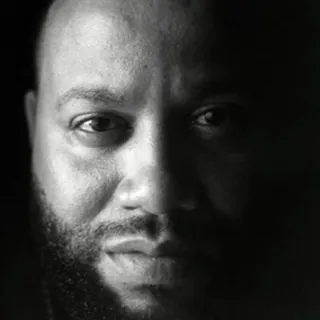
Rob Carson From USMC Infantry Officer to Information Security Officer
Founder of SemperSec and volunteer CSO of BSides Las Vegas
Episode summary
Speaker Bio
Rob Carson, the founder of Semper Sec, knows how to simplify the problem and deliver solutions.
His clients base includes:
Fortune 200 Companies
US Government Contractors
State and Local Governments
Fuel Retailers
Software and hardware manufacturers
His distinguished career includes service as a Marine Corps Infantry Officer, as well as leading roles in IT and Security. Before devoting his work full-time to facilitating his client's success, he built highly successful information security programs for ISO 27001:2005/2013, PCI, HIPAA, NIST 800-171, GDPR. He also volunteers his time as the Chief Security Officer for BSIDES Las Vegas, a non-profit educational organization designed to advance the body of Information Security.
Episode Highlights
Matt reveals how much he made when he got out of the Marines
Matt hilariously talks about the nuances he had to deal with when going to the private sector:
Not saying "Sir" and "Madame"
Figuring out what to wear
How being early is too early
Quotes
"I wasn't getting shot at... I was working in climate control, you know, so people be all stressed out, and I was like, 'Well, no one's going to die.'"
"I like to call myself a 'lessons learned enthusiast.'"
"The hardest job you'll ever get in infosec is that first step in."
"A first sergeant told me your hobbies should reflect part of your career."
"You can be outside the box, but you need to stay inside the room."
Before infosec: USMC Infantry Officer
Chapters
- 0:00
Intro and cold open: Rob Carson, founder of SemperSec
Ayman introduces Rob, with teaser clips and the 'no one's going to die' joke about corporate stress.
- 1:29
Background: Texas A&M, Marine Corps and a first job as project manager
Rob outlines his path from infantry officer to MSSP project manager, VP of Operations and SemperSec founder.
- 2:23
Culture shock: learning a new vocabulary and 'different weapon systems'
He describes leaving the Marines, leaning on leadership skills and realizing security tools are just different weapons to employ.
- 4:53
Tooling up through compliance: CISA, ISO 27001 and asking questions
Rob explains starting from compliance and audit, drawing systems on whiteboards and not faking technical knowledge.
- 6:48
Working with experts and finding his place at DEF CON and DerbyCon
He credits leading subject-matter experts, conferences and volunteering for helping him find his passion and start speaking.
- 10:01
Empathy, baselines and not boiling the ocean
Rob describes helping SMB customers improve step by step, focusing on what the business actually cares about.
- 14:18
Building a metrics program the military way
He explains defining metrics, red-yellow-green reporting and automating collection only when a decision depends on it.
- 16:44
Advice for veterans: chapters, certs, degrees and entry-level SOC jobs
Rob recommends local chapters, Security+ and the PMP, and says a degree is not required but aptitude and attitude are.
- 20:40
Adjusting to civilian work: leadership, interviews and dress
He covers weaker leadership training, practicing interviews on camera, first names, dress code and punctuality.
- 26:16
Resumes, negotiation and job fairs
Rob explains one-page resumes, not over-negotiating a first job, using base pay and starting the job search six months out.
- 28:44
Why infosec, advice for project managers and wrap-up
He explains why he chose infosec, advises a PM friend and warns against becoming a blockchain 'expert'.
- 32:13
Closing and Ayman's community plug
Ayman signs off and plugs his new community.
Key takeaways
- You can enter security through compliance, audit or project management; you do not need to be the deepest technical person.
- Join local ISSA, CSA or ISACA chapters and be comfortable saying you are a noob.
- Get Security+ as an entry-level cert, and hold off on the CISSP until you have the experience to back it up.
- Cut military details that are not relevant to the job and keep your resume to one page.
- Do not negotiate over small amounts on your first job, and base your salary request on base pay rather than total military compensation.
- Volunteer at security conferences to make connections, and start preparing your resume and interview practice six months before leaving the service.
Notable quotes
I call myself a lessons-learned enthusiast.
your hobbies should reflect part of your career.
you can be outside the box, but you need to stay inside the room.
Questions answered in this episode
- How did Rob Carson go from the Marine Corps to cybersecurity?
- After seven years as an infantry officer, Rob became a project manager at a small MSSP and moved up to VP of Operations. He learned security through compliance work, ISO 27001 and certifications, and later became head of security and founded SemperSec.
- Can veterans get into infosec without a degree?
- Rob says you do not need a degree, but you do need aptitude, attitude and drive. He hired top engineers with a GED and two years of college, and suggests Security+, veteran training programs and a first job in a SOC or help desk.
- What resume advice does Rob give to transitioning military members?
- Keep the resume to one page, cut military experience that is not relevant, and expect hiring managers to sort resumes quickly. He also suggests recording yourself practicing interview answers and applying a few months before you get out.
Show notes and links
Show the original episode notes
Speaker Bio
Rob Carson, the founder of Semper Sec, knows how to simplify the problem and deliver solutions.
His clients base includes:
- Fortune 200 Companies
- US Government Contractors
- State and Local Governments
- Fuel Retailers
- Software and hardware manufacturers
His distinguished career includes service as a Marine Corps Infantry Officer, as well as leading roles in IT and Security. Before devoting his work full-time to facilitating his client's success, he built highly successful information security programs for ISO 27001:2005/2013, PCI, HIPAA, NIST 800-171, GDPR. He also volunteers his time as the Chief Security Officer for BSIDES Las Vegas, a non-profit educational organization designed to advance the body of Information Security.
Episode Highlights
- Matt reveals how much he made when he got out of the Marines
- Matt hilariously talks about the nuances he had to deal with when going to the private sector:
- Not saying "Sir" and "Madame"
- Figuring out what to wear
- How being early is too early
Quotes
- "I wasn't getting shot at... I was working in climate control, you know, so people be all stressed out, and I was like, 'Well, no one's going to die.'"
- "I like to call myself a 'lessons learned enthusiast.'"
- "The hardest job you'll ever get in infosec is that first step in."
- "A first sergeant told me your hobbies should reflect part of your career."
- "You can be outside the box, but you need to stay inside the room."
Links
- Sempersec: https://sempersec.com/
- Rob Carson's LinkedIN Profile: https://www.linkedin.com/in/robcarson1/
See omnystudio.com/listener for privacy information.
Mentioned in this episode:
Full transcript
Transcribed from the episode audio. Spoof ads (Ayman's parody commercials poking fun at the industry) are marked.Download .txt
Welcome to another episode of Getting Into Information Security, where we talk with infosec professionals and learn how they got into the field. I'm your host, Ayman Elsawah. Today, my guest is Rob Carson, and we talk about his transition from the Marine Corps as an infantry officer to information security. Rob Carson is founder of SemperSec. Rob knows how to simplify the problem and deliver solutions, and he likes to put things in perspective.
You know, at the end of the day, like I wasn't getting shot at. I worked at climate control, you know, so people would be all stressed out. I'm like, well, no one's going to die. So it's okay. Like, it's not great. They can only fire you. They're not going to kill you.
His distinguished career includes service as a Marine Corps infantry officer, as well as leading roles in IT and security.
It wasn't as hard as I thought it would be. I was nervous though. What I figured out at first was that It was really just different weapon systems and how to employ them. And that's what I'm good at.
Rob built highly successful information security programs for ISO, PCI, HIPAA, NIST, and GDPR.
I used to have a full head of hair. Like a couple ISO projects later, like it's gone.
He also volunteers his time as a chief security officer for B-Sides Las Vegas, a nonprofit education organization designed to advance the body of information security. His clients include Fortune 200 companies, U.S. government contractors, state and local governments, fuel retailers, and software and hardware manufacturers.
Let's get to the show.
All right, Rob. Thanks for coming on to the show. Appreciate your time.
Hey, happy to be here.
Great, thanks. So maybe we can start to tell us a little about yourself.
Yeah, absolutely. So I guess quick background. I'm from Colorado and I left to go to college at Texas A&M, got my degree in maritime administration. So it's basically shipping logistics, which actually helped me out later on, believe it or not. But Did that, graduated from that, also went through the Marine Officer Program and became a Marine Corps Infantry Officer and did seven years in the Marine Corps. Got my master's degree in management science from the University of Maryland. And then when I got out, I started as a project manager at a small MSSP because I was trying to figure out, like, what do I do? I figured out what... I was basically a project manager. I did a lot of patrols. Those were all projects.
Started small MSSP, worked my way to VP of Operations, and then left there to go to be the head of security for the back end of the large ITSM SaaS provider. And then the last year, I started SemperSec and been on my own adventure.
That's awesome, man. Really good stuff. Congratulations. Thank you. That's good. So tell me a little about the transition from going from the Marines to the private sector.
Oh so that was it was an adventure like so i prepped a lot but i had you know i had to learn a whole new vocabulary so When you get out, it's a totally different language. SMTP and email, I thought those were two different things. I did a whole project on that. It totally confused me when I first started out. The good part is the Marine Corps taught me a lot of leadership. I was good at working with subject matter experts. I had this team of super nerds that could just do great things. As long as I could buy pizza and Red Bull and keep the executives away from them and find DEF CON money, everybody was happy. But it was definitely an adventure. But at the end of the day, I wasn't getting shot at.
I worked at climate control. So people would be all stressed out. I'm like, well, no one's going to die. So it's okay. It's not great. They can only fire you. They're not going to kill you.
It's great. That's a good way to put it. That's a good way to put it. And then with relations to information security, how was it to adapt into that?
So... It wasn't as hard as I thought it would be. I was nervous, though. What I figured out at first was that it was really just different weapon systems and how to employ them. And that's what I'm good at. If I'm in the firewall, we're having a really bad day. And I used to be nervous about my lack of technical skills. But it turns out, because I'm good at the logic and I understand how business works and how people work, I was able to fill my role very well. Infosec now, it's almost like medicine. You've got heart surgeons, you've got pediatricians. It's the same thing. If you need to do encryption, you go find an encryption guy. That's a thing. It's its own special snowflake. You're going to be good enough to know that you should go get a guy.
That's what I am. I mean, the way I describe it is it was fun. Leading people is awesome. And I like fighting bad guys. Granted, at the end of the day, I'm not saving people from a refugee zone or delivering their first time to vote. It's corporate now. But watching people grow, that's one of the best things. Some of the people I've hired are doing amazing. And just learning how infosec works. But really, it's brilliance in the basics. At the end of the day, you've got to have a program. You've got to know what you're doing. And you need to be able to find the right people for that and call the right guy or person.
Okay. And then what about tooling up? So information security oftentimes has a steep learning curve. So, yeah. So can you talk more about that?
Yeah. So what I did, I started to get my CISA, Certified Information Systems Auditor, because for me, I didn't have a tech background. I had a wise phone. I didn't have a smartphone. I had the Zach Morris phone. It was... You know it was what it was like it wasn't that i was afraid of being of tech it's just that like i didn't have a lot of tech and so you kind of had to drink the kool-aid is the way the best way to describe it's like joining a cult or something like it becomes your thing it just becomes your thing you got to like embrace it and just not be afraid to ask like i asked a lot of questions i had three whiteboards in my office so my it manager would come in and like we have to just draw it out so i could figure out how these things actually work from a logical standpoint but
Tooling up. And I started tooling up on the compliance side because I know how to run programs. That was part of my background. And overall management, I knew compliance from a safety standpoint, which isn't really any different. You're just mitigating risk. The risk I used to have to mitigate was how you do aerial sniper shots in Nation states that may not be friendly so you got to make sure your shots are clean so different risk but it's risk and figuring out you're still going to take risk at the end of the day if we wanted to be secure we would just turn all this stuff off who knows yeah then you can't do anything if you turn so that's how i tooled up i did that and iso 27001 was a big thing for me like understanding compliance and that's what one of the things i tell people if they're not done from the tech side is don't be afraid that you're not techie just be who you are the best thing is when you're dealing with engineers like
If you try to play buzzword bingo with them, they're going to own you. So just be like, hey, is this what this is called? Ask those questions and make sure you understand. And the compliance side is great because if you can audit, you understand how the business works, you know how processes work, you can fill a major niche inside of information security.
Okay. Yeah. And I think I'd like to get back to the transition part, but I think you touched upon something with the people part.
Where you see people part as a really big part of your job right now or even in transitioning so can you talk about that i've been a company commander so i had 110 marines so i knew what it was like to lead you know large groups i had also led small groups of subject matter experts and so you know when you're dealing with smes you know it's paying the king of shilling like asking their opinion first not sitting there and well i read a book about it like it's just throwing yourself into it getting in there with them and like hey show me how to do this like Okay, like, what do I need to know? You know, and asking those questions, like, what do I need to know, you know, and filling your role. And that's where, like, for me, my transition, it was tough.
Like I had a lot of things like DLP and like, just, yeah, I literally had, you know, you make friends, buy people lunch. I would have how, like, the whole WebSense DLP, now it's, whether it's Fortinet or whatever it's called now, but, like, that whole thing was explained to me over some ketchup bottles, a salt shaker, right before we were doing an on-site project. Because I could plan a project, I just had to understand, like, how it all worked. So it's just... Buy a lot of beer and don't be afraid to get your nerd on. Going to the hacker conferences, that was my pivotal piece. For me, it was like the first year, I was just a PM and I was doing this. And then I started getting into it and I really liked the offensive side.
I understood that. I understood the defensive side. And running the internal security program, I really started to understand it a little bit. And then I started going to DEF CON. And that was huge.
It was one of those... You know, kind of like basically help, you know, shoot up your, yeah.
Well, and the fact that I could go to the classes and like, there was something for me. No, there were some, when they're throwing up command line, like that wasn't the class for me. Cause when I think of command line, I want to run Oregon trail. You know, I wish I could throw four lines of Python at a problem, but I'm not that guy. But, You could go to the classes, just the talks and just meeting all the people and just getting involved in the community. Once I realized like, we're all a bunch of deviant people. We're all strange in weird ways. And like, we all fit in because the cool part is it's all about who you are. They don't really care about where you come, like your skin, your ethnic, your sexual preference.
It's more about what's in your brain housing group.
And yeah,
Are you a good person or not? Like, are you trying to front pretend you just like, let's face it, you go to DEF CON, like, there is somebody smarter than you, probably at the barstool next to you. So you got to be very careful. You learn how to humble yourself.
Right, right. I think humility is something you touched upon early on. So a little bit of humility and just going up to folks and asking them for some knowledge.
Oh yeah. And then building that network, like I started volunteering. So that was one of the things too. We'd hired a bunch of guys from our group. They came in, you know, we've gone to DEF CON and all that stuff. And they're like, Hey, you got to go to Derby CON, which I'm going to like tomorrow, actually.
Nice.
And I started volunteering there. Then I was having a conversation when I was there with a buddy. And all of a sudden, this guy's like, hey, that'd be a great talk. Send it in. And all of a sudden, next thing, me and my buddy are talking at Gurkhan and started doing talks. And just started to find my passion and find my place in the cyber landscape, if you will, what I'm good at and being okay with that. But figuring out, I don't have to be afraid of not being the cloud architect. It's okay. There's a guy for that, but I can do my part.
Yeah, a lot of people, you know, they see all these superstars and they feel like, oh, how am I going to get into this field? Or how am I going to be as good as them? So that's really good to hear. That's really good to hear. So what makes you successful in your job today?
I think it's empathy. So... I was just talking to a customer today, and they're at that transition point. A lot of times, I work with customers that are in that SMB space that are going from either the outsourced IT, the one-man IT shop, but all of a sudden, they've got these compliance requirements for them to grow. And they're trying to figure out how to do it. And it's one of those helping to understand like, hey, I know what you had to do to get here. And I understand it's duct tape and Superglue. We're going to change. We're going to grow. But Don't feel bad about what it is. Let's start making that continual improvement. Hey, we can't send that stuff to personal email accounts. Like let's get a mature.
I remember, you know, putting in the security program, like we had what we had. I had RSA enVision. It was awful.
You know? Yeah.
You know, it's like, okay, your two factor is SMS. We know that's not the greatest two factor out there. We know it's easily spoofable and stuff like that, but it's still a, one of those like helping people get to the baseline so they can keep growing and go, Hey, you know, It's okay. You at least have that. Let's worry about the stuff you don't even have. That's where when people say, oh, compliance sucks, I look at it as if you can't do compliance, you're not ready for any real cybersecurity. But helping them not try to boil the ocean. I used to have a full head of hair. A couple ISO projects later, it's gone. You can't do it all at once and understand why. At the end of the day, people are doing the best they can with what they've got and helping them spread the gospel, if you will, of, you know, of infosec and making sure the message resonates and helping, you know, what helps me now, a lot of it is helping to understand, you know, some of the most passionate people in the world where they're like, they're ready to die on that hill for something silly or it's like, Hey, I get it.
But you know what? At the end of the day, like, If you're in a corporate environment, typically they care about two things. Did you get hacked? Did you pass your audit? Can we sell? So how does your message resonate with what matters? And not trying to protect everything. Let's just protect what's most critical to the customer. So they stop trying to worry about all the things that don't matter. Go, okay, this is the crown jewels. This is what we're going to care about first.
Right, right. It's about, like you said, not trying to boil the ocean. So coming in there and taking some baby steps, increasing that security maturity quota, but, you know, taking baby steps as opposed to coming in and checking little skies falling, right?
Yeah, exactly. And simplifying the solution. Half of it's like, Because I used to over-engineer stuff. I've made policies for the sake of policies. I've done it. I call myself a lessons-learned enthusiast.
Oh, okay. I like that.
I like to learn the hard way a lot of times of how not to do it. I tell customers, don't do it that way. I did it that way. It didn't work. Let me tell you why. But And explaining, having that strategy of like, okay, working through those programs and helping them understand, okay, hey, you don't want to do it that way. That's going to be a bad idea. I know that sounds great in theory, but you need to push that responsibility someplace else. Because you know what? It's not your decision. You let the business owner sign off on that. And that's a great way to start solving problems. That's why coaching, a lot of it's just coaching and going, hey, well, if you can get your boss to sign off on that, that's great.
And the boss is like, well, I'm not going to sign off on you having some stupid game on your laptop that gets hacked and it hacks the whole company. Like, yeah, okay.
Yeah, our job is to let them know the full picture, right?
Because it's not a security business. Typically, even if you're in an MSSP or in a security company, you're only doing security so you can sell and make more money. You're not doing it just because the hackers are coming. Doing to protect revenue yeah unless you're actual security company right which is like then your reputation's on it and all that but your reputation matters but it's like there's a great quote i'm giving a talk on guerrilla warfare in a little few weeks here a great quote from john f kennedy where he was basically talking you know they're asking about the space program and he was like i don't care about putting man on the moon but what he did care about was beating the russians there you go yes and that's what it's like people understand like hey
Don't feel bad they don't care about your program. Find out what they care about and go.
Yeah, yeah. That's a good way to look at it. So I remember when we talked last time, you had this whole metrics program put together, and it sounded pretty awesome. Yeah. Can you talk a little about that and how some of your military experience kind of helped influence that?
Sure. So it's one of those things, you can't manage what you can't measure, right? Mm-hmm. And so, like I said, you have two big metrics, right? There's a lot of stuff that boils up into that, right? So how do you make sure you're going to pass your audit? How do you stay at that 90% audit ready? Like when you go into the audit for the actual cert or whatever, that third party audit, like there should be no surprises. You gotta find something that should be like, oh, we didn't know about that. Holy cow. Like you shouldn't be shocked. So like what I do is I put metrics together that I truly define the metric where I'm breaking out like how we're going to do it. Okay, so the metric, it's here to meet this control.
So let's say we're, and it's not necessarily, are we stopping hackers with a process? Let's say it's onboarding. Number of employees onboarded versus background checks, because we're just trying to make sure we're doing our background checks. And the goal of it is, does this process happen? Because you don't want to find out that you haven't been doing background checks because HR decided that hurt people's feelings or something. I don't know. Right. And so it's, well, you don't trust me. Yeah, exactly. And so you build it out and you define how you're going to measure it. So you measure it the same way every time. So the idea is that you can give that to somebody else to do. And also the biggest thing is that red, yellow, green at the end of it.
So what, if you're not making a decision off of that metric, what is the point? Like you should go like off boarding or onboarding right so there should be hey we have a problem and we need to have a meeting and there needs to be action taken to figure out why this process isn't working right like there should be some definitive action that comes from it otherwise okay i mean if you're not going to do anything about it then don't measure it and i say the marine corps to tie in with the military part it's keeping stuff simple Again, like I call it, you know, breaking it down Barney style because they're humans. We're all working our butts off. And like most people aren't in affairs. People are trying to do the right thing, you know?
And so it's to alleviate the concern and keeping stuff less stressful. It's like, that's why you just make it clearly defined. So it's like, it's a repeatable process. And then you figure out like, okay, let's say when you first started, you have 10 metrics. You know, your goal should be maybe the first round. You're just trying to get 25% of them automated. And then your future goals is like, okay, how can we automate the rest of these things so we don't have to go collect them?
What is your advice to folks, particularly in the military, looking to transition into information security? What is something that you think would benefit them? Or what are some steps they could take?
Oh, good question. So I would say start joining the local chapters. So if you're chapters of chapter, like ISSA, cloud security Alliance, ISACA, whatever it is, start going. And like, it's okay to say I'm a noob. I don't know, but don't be scared and don't be afraid. Like I was an infantry officer. I barely had a computer half the time because I had a rifle and a radio. So it's one of those, like, don't be afraid of it. And understand it's more than that. You know, military guys, we all do this stupid information assurance stuff. Where it's like you do this online training once a year so you can keep your email address and it's usually pretty awful. It's much more than that. And don't be afraid.
There's a ton of veterans in there and there's a lot of veterans programs that they're trying to recruit to get people in. And, you know, to understand like the first job you get, Is the hardest job you'll ever get in infosec. That'll be the hardest job to get, is that first step in. But there's multiple ways to get in, either through the compliance side or project management side, or you can go to a school and get a cert. I got my PMP when I got out.
Okay.
So that helped quantify what I did, because it's one of those things, like if your resume says you were a jungle warfare specialist, well, that's great. But guess what, guys? Nobody's hiring a jungle warfare specialist. So... It's not relevant. Or why would it be relevant to the job? If it's not relevant, you got to cut it out. And it's hard. It's one of those, I taught urban combat in Moldova. I was super excited about that. Like, yay. And guess what? It's not on my resume because you know what? Nobody cares. It's a cool story, but it's not relevant to what I was trying to get hired for. So understanding that, if you're still in, start training out. Go get a cert. Go get a security plus. Get that.
That's a great entry level cert. You know, I wouldn't go try to go get your CISSP because if you have your CISSP and you have no experience, it's not going to do you any good. My humble opinion, like I think it's better to, you know, if you have the experience, go get the CISSP, but you know, go get a cert, get something that resonates because you know, and you don't have to have, A college degree you know and this is it's probably bad i've got a master's degree but understand this like i've hired two of my top engineers one of them had a ged with a 200 level iq and the other kid he's got two years of college and he's making a buck 70 a year now like you don't have to have a degree but you do have to have the aptitude and attitude and the drive which most military people do like we don't understand nine to five like you go home when it's time to go home
And that's how it is in infosec. The hackers don't show up at 9 a.m. on Tuesday after your first cup of coffee. Like, it'd be nice. It doesn't work that way. So, like, It's one of those, you know, look at those veteran training programs. There's a ton of them that'll get you straight in and get that entry-level job. Go make your bones in a sock in a security operations center. Because, yeah, you'll start off low, but low pay and even infosec is not very low. And, like, it will go very fast. I hired a girl from the help desk, and within two and a half, three years, she went from 40 to 80. You know, because she was awesome. She drank the Kool-Aid too. That's the other part. Just like in the military, I had a first sergeant that told me, your hobbies should reflect part of your career.
That was a great piece of advice. As an infantry officer, you should be out hiking on the weekends or shooting rifles. Your hobbies should help what you do. Volunteering at infosec conferences, that's a great place to meet people. If you're there and you're volunteering, you're going to make friends right away. Like I'm the CSO for Las Vegas B-Sides. Like that's a great place to come out and meet people and like just make connections because people are looking and if they have a choice, because when they're hiring entry-level security people, they know they're going to have to train them. And there's a million people want that job. So the way you're going to get it is somebody goes, the dude's passionate about it.
Right. Passion. There you go. Yeah. And I think the Kool-Aid part you mentioned, too, because, you know, don't expect to be spoon fed. Right. I'm going to go out there and maybe I mean, I've never been in the military, but, you know, is that something where in military they kind of just train you to do X, Y, Z? You know, is there any mental adaptation necessary to transition?
Yes and no. So some of the adaptation that you will have to deal with is some of your bosses might suck. Really? I think...
The military, at least the Marine Corps, in my humble opinion, does a great job of leadership training. And I made a lot of my mistakes as a second lieutenant. I think if there was any Marines listening to this that were my alliance corporals at the time, they'd probably tell you some stories. But they don't do a very good job of leadership training. A lot of times people get promoted because they're good at something, so they put them in charge. But they don't really know how to be a leader. And they aren't going to care as much about your personal whatever as we do in the military.
Oh, really? Yeah.
It's one of those, they should. You should know your people, but it's not always the same way for everybody. Understanding the same level you might be used to, even if you didn't think it was all that great, it can be worse. If you have that drive and motivation, you can sail right through it. I would say that and other adaptations. If you're getting out, I'll tell you what I did. There's a set of podcast tools called How to Interview Series, Manager Tools. Best thing ever. I went to Steps and Taps twice. It was terrible. So that's actually the best set of how to interview stuff. I literally would record myself every night answering three or four questions, explaining why that was relevant to something, practicing, train, train, train, train how you fight, just like we did in the military.
Same thing applies in civilian work. Train how you fight. And then I would videotape myself once a week because my wife would tell me I would start knife handing and scowling at people when I start talking about something. I was like, no, honey. Turns out, like I watched it. She's like, well, watch the video. Oh, okay. And like learn how to smile and like understand that. I say the other transition to is the military has definitely done a lot of transition. I think the generation, the newest generation, the millennial generation, technically I'm a senior millennial if I know what article I read. But, you know, understand that if you came from the infantry, like at my time, there weren't any women in the infantry.
So the rough housing, the stuff that goes on, you know, is different. And, you know, a little different level of professionalism. But at the same time, you're in an AC. It's great.
You're in AC. Climate control.
It's not that bad. Remind yourself, like, you ain't getting shot at. It's okay. The other thing, too, like, I remember, funny story. So I was all nervous about how to dress, right? Because in the military, you have a uniform. That is probably the one thing that was hard for me, was how to dress. Because, like, because you know what to wear every day. It's tall. Like, that, it's pretty, it's all for you.
Yeah.
And like, so when I interviewed at my first company, like I met these guys, this guy was like in a tap out t-shirt and jean shorts, whatever. And then like, and I talked to my boss, she's like, yeah, just wear, you know, cargo shorts and a t-shirt or whatever. And I wore like a collared shirt, but I, and like, and they happened that day, they were messing with each other and they were all dressed up in suits. And I'm like, what the heck? I got all confused. So, but I would tell you, if you want to be noticed, don't dress sloppy. Know sometimes you have to tell engineers like you've worn that same shirt for the last three days have you showered like do you have more than one shirt and that's the thing like so you know get some clothes you know but it's one of those things like the best thing to do is kind of watch how people dress like talk to somebody figure that part out like it's one of those it's not a big deal but first impressions matter and so
You could ask a recruiter. I mean, you could even ask a recruiter, you know, Hey, what's the dress code? What do you know? All that stuff.
I would tell people for an interview though, wear a suit. I don't care. They have jobs. You're trying to get a job. You should be just in the, I need to get a job clothes. They have the, I already have a job clothes.
Yeah, that's true. Although I found it actually kind of sometimes backfires with like the younger startups these days and things like that.
So, well, that's why I like, well, I have skulls, I have a skull liner, so I have skulls in my suit. So it's still cool. You're right like you got to be careful and the other thing is like lighten up like that's why like videotape yourself like learn how to smile like don't be so one of the other things that was tough to transition is calling everybody sir and man oh interesting like calling my boss rob like his name was rob too was like was weird and that's it's a thing that like there's nothing wrong with being polite but as you move up you got to be careful You got to fit in. You have to be able to use first names and be comfortable. And it's going to be weird at first. It's going to be okay.
Yeah.
Weird. But yeah, I would say that's definitely, that was one of the things that now I'm thinking about it. I'm coming back to like, Oh yeah, I totally, I had trouble with that. Oh, and people don't start meetings on time. Sometimes the corporate culture can be very, very painful. I know. I know. Like, so yeah, Understand that take a breath you're not getting shot at like you don't need to be 15 minutes early that's the other part though is meetings if the meeting is supposed to start at 10 make sure you're there you know dialed in yeah five to ten or two minutes ahead of time is fine right but you don't need to be 15 minutes early because they're still they're still on another call they're doing something else like they're not like nobody's going to be 15 minutes early mm-hmm mm-hmm
Yeah, there's a lot of stuff to unpack here.
Go ahead. Don't show up for your interview like 30 minutes early or something like that because then it's like, what am I supposed to do with you? Because you got to understand, that's what I tell people too, is like somebody who's hired lots of people, one page. Your resume should be one page unless like, if you're getting out of the military, if you've got less than 10 years in the world, like one page. Because I'm not going to read past that. So you've got to catch my attention in the very beginning. And you're going into three folders, A, B, and C. A, I want to call right away. B, I'll call if I don't find any A's. And C, why did this person apply? And you've got to go and think of it as phase lines too.
So your job is get the phone interview. Get a resume good enough to get the phone interview. Ace the phone interview. Then get the onsite, get the offer. Then you can decide if you don't want to take it or not. Oh, and don't know. And if you, you're probably not going to be any good at negotiation. So if you're arguing with me about two grand, you're not going to see it in your paycheck. So it's not really going to matter. Like it's when I was like, you got to make sure you're inside the, you know, you can be outside the box, but you need to stay inside the room. Like, but if you're, the only time you negotiate is if like, there's like a 30 grand gap or 10, you know, there's something significant that you need to, is a deal killer, but.
Especially on your first job. Especially on your first job. And if you want to get out, like what I did is I use my base pay rate As my salary request i cut out the bah and the other stuff because when you're in the military you can look at these things and i'll say like oh i made 90 grand well yeah but your base pay is this and you got to be willing to start there like i started and this i'll show this like i went from like 57 to i mean i was i cleared in the first three years i went from 57 to like 120 So don't be afraid that like, that's what the cool part about startups is the startups. You can, that can happen there. It's pretty unheard of, but you had a big corporate, you're going to get your three to 5% raise every year.
That's what it is. And that's why I would tell you when you go to those job fairs, they're depressing. They're great for free pens and recon, but don't be afraid to talk to the small guys there. Cause that's where the opportunity is. Like there's a million people in line for Lockheed and don't be afraid. Don't be scared. Cause like, what are they going to do? Say no. Okay.
Yeah.
You know, and that's why like six months out, start crafting the resume and have people look at it. You know, go to steps and taps if you can. 90 days out or about that point, you should be recording yourself and practicing answering questions. And that's when you can start applying because like the other part is you can't apply for a job. You're not available for six months. Like they're trying to fill that spot now.
Right, right. Absolutely.
Yeah.
I think there's a lot on military transition. So what drives you in information security? Why are you in the field? Where did you get the idea to get into information security? Younger, when you're in the military?
No, it was honestly like I had 2 p.m. job offers at the same time. One was with a big corporate company and then one was with where I went. And the big corporate one was a higher salary, actually. But I would have been doing the same thing and it would have been boring. I didn't know anything about infosec. And the cool part is it's a negative unemployment industry. People aren't making less data. It's still exciting. Like there's still so much stuff to learn and nobody's an expert anymore at all of it. They can't be. It's fun because you get to channel your inner criminal too. It's like, to be good at the blue team, you got to think like a criminal and go, well, how would I hack this place?
Okay, this is what I got to fix. Stop that.
Yeah. Yeah.
I'd say the passion is like, it's the adventure. Like it's always new and you're helping people and you're stopping, you know, maybe you're stopping bad guys, you know? I mean, you know, yeah, I fight bad guys with a keyboard now. It's not as sexy, but it is what it is.
Yeah. I think there's something, there's a lot of parallels, I think, from transition from military to information security. You are trying to protect something at the end of the day.
Absolutely.
Good. This is great. I definitely see a second episode with us in the future. So from a PM, and I have a friend actually that is a PM and he wants to transition to information security. What are some things you would recommend to him?
So understand that he may not be able to command the same. It depends on what industry he's in. Let's say he's in construction. Okay. It's different stuff. Like why, let's say you're paid a hundred grand. I'm just using round numbers here in construction, right? Like you may have to go back to 80 to go back up to 120. Cause a PM and infosec, a good one. Yeah. They're easily 120, 150, like the top notch ones, but they have a lot of experience in security. They know SDLC. They know these different pieces. They know how to put the pieces together and herd the nerds. They know how to go, when the engineer says, it'll take me two hours, that means two days.
Scotty, I need my engines now. There you go. So dude, tell me some war stories. Any war stories to share?
I got to sanitize it and I got to think through the... When people are freaking out, during DR, don't yell at your people. I've been yelled at. Don't yell at people during DR.
All right, dude, this is awesome. Thanks so much.
It was awesome.
I think there's a lot to be said about those transitioning. Oh, yeah. You know, I, in fact, at DEF CON, some random person came up to me and asked me, hey, I just came out of the army. You know, where do I go? You know, I installed Kali Linux and what do I do? So, but you got to start somewhere.
You got to start and just be humble and just drink the Kool-Aid. Join the cult. You just got to embrace it and understand there's a lot of important people. They'll tell you. It's like Navy SEALs. They'll be sure to let you know how important they are. But most people are pretty humble. And as long as you're just asking questions and trying to learn and being honest, not trying to play buzzword bingo with things you don't know what you're talking about, you're good. Cool, man. Just because you wrote a book on blockchain doesn't make you a blockchain expert.
Blockchain.
There you go.
All right. Have a good one.
Hey, thanks for listening. So I built a lot of things and I'm building something new. I'm working on a new community. I want to bring everyone together with all the things that I've done into just one space. So I'm really excited about it and would love to stay in touch and get some early adopters or feedback. So check out the link below in the show notes and send me a hello. And that's about it. I hope you're having a wonderful day. Thanks. Talk to you soon.