Episode 8 · · 36 min
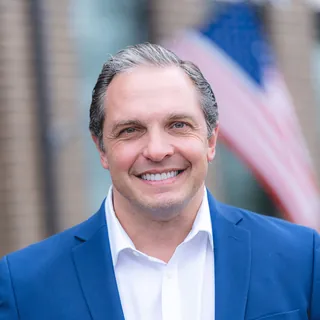
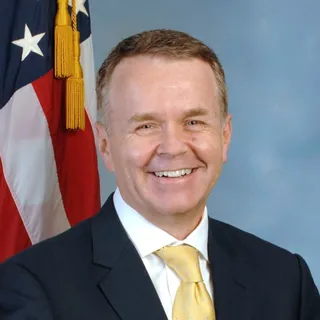
Elvis Chan From Making Computer Chips to FBI Supervisory Special Agent!
Supervisory Special Agent, FBI San Francisco Division cyber squad
Episode summary
Elvis Chan is a Supervisory Special Agent Elvis Chan, who works cybersecurity matters for the FBI San Francisco Division. We discuss how we got into the FBI, Life in the FBI Cybersecurity Division, and how to get involved.
The FBI is always looking for qualified applications for Special Agent and professional staff positions. Please see https://www.fbijobs.gov/ for more details.
Notes:
There are three main roles in CyberSecurity at the FBI:
Special Agent (Gun Carrying Badge)
Intelligence Analyst
Computer Scientist
It may be quiet on the outside, but you can bet the FBI is hard at work on the inside.
Protection of the recent elections was discussed. The sheer number of people involved in protecting the elections from foreign actors couldn't be enumerated. Both the public sector and private sector are involved.
In an incident response, there is often coordination with FBI headquarters and sometimes other 3 letter agencies.
FBI San Francisco was the squad of record for investigating the 2014 Yahoo hack.
Elvis goes into detail explaining more about Russian Hacking and how the FSB culture works.
Placement in the FBI is based on a ranking system.
Quotes:
"There are a LOT of things behind the scenes I can't talk about."
"If you see in the news that there is a hack, you can be sure that there is at least one, maybe two, maybe several, office mobilized to figure out what the heck happened."
"On a regular day, I would love to just go through my email and have the scheduled meetings I'm gonna have."
"Why are the Russians coming after us..."
"Whatever happens to you... 'The Need of the Bureau'"
"My current job, despite all the paperwork and meeting I don't want to go to is a 10 out of 10!"
"People would not believe some of the stuff that we've seen or that we've gone through. They would make the worst movie plot because they would be so unbelievable!"
Before infosec: Semiconductor process development engineer
Chapters
- 0:01
Intro: Elvis Chan of the FBI
Ayman introduces Elvis as a supervisory special agent working cybersecurity matters for FBI San Francisco.
- 0:54
Supervising a cyber squad and joining the Bureau
Elvis explains his role, how agents are assigned to branches, and the colleague who inspired him to apply.
- 3:30
From chemical engineering to a first cyber case
He describes making computer chips and his first case, a defense contractor hacked by an advanced persistent threat.
- 6:51
Daily fires and protecting the elections
Elvis talks about how unpredictable days are and the interagency and private-sector effort behind election security.
- 11:30
The 2014 Yahoo hack investigation
His squad traced the breach to FSB officers and hackers for hire and arrested one through Canadian partners.
- 14:07
Why the FSB hacks US companies
He explains how Russian investigators hack firms that will not honor their legal requests, and how FSB officers go undercover.
- 17:02
First computer and advice for beginners
A Commodore 64 and Fortran 77 shaped his interest; he stresses exposure to STEM and technology.
- 19:05
Three cyber roles at the FBI
He compares special agents, intelligence analysts and computer scientists and what each does.
- 22:25
Needs of the Bureau, placement and age limits
Elvis explains office rankings, applying for multiple roles and the age 36 cutoff for special agents.
- 26:38
Life in the FBI and adherence to the Constitution
He rates the job 10 out of 10, praises colleague integrity and responds to concerns about surveillance.
- 31:44
How to join, InfraGard and outreach
Elvis points to fbijobs.gov, InfraGard and requesting FBI speakers through local field offices.
- 35:27
Closing: Ayman's new community
Ayman thanks listeners and plugs the community he is building.
Key takeaways
- You do not need a computer science degree to join the FBI's cyber work; demonstrable exposure to technology and project experience matter.
- Apply for special agent, intelligence analyst and computer scientist roles at the same time if you are unsure which fits.
- Special agent candidates must enter the academy by age 36, but analysts and computer scientists have no age limit.
- Build early exposure to technology through STEM classes, online courses and YouTube, then nurture whatever interests you.
- Join InfraGard or contact your local FBI field office to meet the Bureau and request speakers for events.
- Expect to be placed according to the needs of the Bureau, though large offices like San Francisco often let you stay long term.
Notable quotes
Our job is to protect the American people and uphold the Constitution.
Some of the actual, the really good cyber agents I've worked with came from different backgrounds. They came from like business backgrounds or they came from healthcare backgrounds.
people would not believe some of the stuff that we've seen or that we've gone through and they would make the worst movie plot because they would be so unbelievable.
Questions answered in this episode
- How did Elvis Chan go from semiconductors to the FBI?
- Elvis worked 13 years as a process development engineer in the semiconductor industry. A colleague who joined the FBI after three years of work experience described Quantico training, and Elvis, who had always liked public service, applied with his wife's encouragement and entered the academy a year later.
- What cybersecurity jobs does the FBI offer?
- There are three main roles: special agents who carry a badge and gun and can become cyber agents, intelligence analysts who analyze investigative evidence and intelligence, and computer scientists who do digital forensics, log analysis and reverse engineering. Analysts and computer scientists need a four-year degree, and technical exposure helps.
- Is there an age limit to become an FBI special agent?
- Yes. Special agent candidates must enter the FBI Academy by age 36 because agents must retire by 57 after 20 years of service. There is no age limit for intelligence analysts or computer scientists.
Show notes and links
Show the original episode notes
Elvis Chan is a Supervisory Special Agent Elvis Chan, who works cybersecurity matters for the FBI San Francisco Division. We discuss how we got into the FBI, Life in the FBI Cybersecurity Division, and how to get involved.
The FBI is always looking for qualified applications for Special Agent and professional staff positions. Please see https://www.fbijobs.gov/ for more details.
Notes:
- There are three main roles in CyberSecurity at the FBI:
- Special Agent (Gun Carrying Badge)
- Intelligence Analyst
- Computer Scientist
- It may be quiet on the outside, but you can bet the FBI is hard at work on the inside.
- Protection of the recent elections was discussed. The sheer number of people involved in protecting the elections from foreign actors couldn't be enumerated. Both the public sector and private sector are involved.
- In an incident response, there is often coordination with FBI headquarters and sometimes other 3 letter agencies.
- FBI San Francisco was the squad of record for investigating the 2014 Yahoo hack.
- Elvis goes into detail explaining more about Russian Hacking and how the FSB culture works.
- Placement in the FBI is based on a ranking system.
Quotes:
- "There are a LOT of things behind the scenes I can't talk about."
- "If you see in the news that there is a hack, you can be sure that there is at least one, maybe two, maybe several, office mobilized to figure out what the heck happened."
- "On a regular day, I would love to just go through my email and have the scheduled meetings I'm gonna have."
- "Why are the Russians coming after us..."
- "Whatever happens to you... 'The Need of the Bureau'"
- "My current job, despite all the paperwork and meeting I don't want to go to is a 10 out of 10!"
- "People would not believe some of the stuff that we've seen or that we've gone through. They would make the worst movie plot because they would be so unbelievable!"
Links:
- FBI Jobs: https://www.fbijobs.gov
- 2014 Yahoo Hack: https://www.justice.gov/opa/pr/us-charges-russian-fsb-officers-and-their-criminal-conspirators-hacking-yahoo-and-millions
- FSB: https://en.wikipedia.org/wiki/Federal_Security_Service
- InfraGard: https://www.infragard.org/
- FBI Field Offices: https://www.fbi.gov/contact-us/field-offices
See omnystudio.com/listener for privacy information.
Mentioned in this episode:
Full transcript
Transcribed from the episode audio. Spoof ads (Ayman's parody commercials poking fun at the industry) are marked.Download .txt
Welcome to another episode of Getting Into Infosec, where we talk with information security professionals and learn how they got in the field. I'm your host, Ayman Elsawah. Today, my guest is Elvis Chan.
My current job, you know, despite all of the paperwork and meetings that I don't want to go to, it is a 10 out of 10. And the reason for that is, I think, the impact that I feel like we can make, both a national impact and an international impact.
Elvis is a supervisory special agent who works cybersecurity matters for the FBI San Francisco division.
When people worry about Big Brother or, you know, there's like, you know, like the nanny state or whatever, what they don't really see is like our very strict adherence to the Constitution.
He is the ultimate good guy battling bad guys behind the scenes in the cybersecurity world. All right, on to the show. Hi, Elvis. Thanks for coming on the show.
Well, thanks a lot for having me.
Great. So maybe we could find out a little about yourself. You could tell us how you got into the field of cybersecurity and specifically what you do every day at the FBI.
Well, that sounds good. So I'm a supervisory special agent. I supervise one of five cyber squads for FBI San Francisco. And I've been doing this for about 13 years now. Actually, I've been a supervisor for four years. And then before that, I was a special agent running investigations and operations. So how did I get into it? The way it works is when you join the Bureau, depending on what you're Prior background looks like, your occupational background, they will usually like band you into certain areas. So specifically for special agents, there's counterterrorism, counterintelligence, cyber and criminal branches. So you can work in those four specific divisions and they usually will look at your background and like band you into one of those.
Okay.
Okay. And how did you get into cybersecurity to begin with?
So that's actually an interesting story. I used to work in the semiconductor industry for 13 years before I joined the Bureau. And it was actually one of my colleagues. His goal was always to join the FBI. The FBI requires three years of work experience to be a special agent. So he worked at the company that we were both at for three years. And he said, Elvis, I'm going to peace out. I'm going to join the Bureau. And so... He applied, got in, and he actually called me from FBI Quantico and said, Elvis, you would love this. We're like shooting guns. We're kicking down doors. Like I'm learning about constitutional law. This is awesome. And so I'd always been drawn to public service. And so I asked my wife, what do you think?
And she said, hey, like this is something that you want to do, then you should go and do it. And I applied. And a year later, I was at Quantico.
And how long have you been doing it so far?
So I've been in the Bureau for 13 years now.
And you probably didn't start off leading a group in the beginning. What was your first role when you got in?
Yeah, so I was assigned to a cyber squad. And so the cyber squad just worked everything. So back then we had three cyber squads in FBI San Francisco. We had one squad. Actually, we had one squad in Oakland and then two squads down in San Jose. And so we just kind of handled whatever came to us. So I worked a mix of criminal cyber matters, you know, financially motivated cyber crimes. And then I also worked some national security matters, specifically like things related to cyber terrorism, as well as to Chinese intrusions.
Okay. Okay. And how did you get into technology to begin with? So you worked at a semiconductor. Is your background, I guess, electrical engineering? How did you get into technology, you know, way back when?
So, yeah, way back when. This is like 26 years now, I feel all better. I actually majored in chemical engineering and chemistry in college. And so I thought I was going to end up working at a petroleum company or a chemical manufacturing company. But back then, those companies, for whatever reason, weren't hiring as much. But the semiconductor industry was really blowing up. And so I got hired to be a process development engineer. So at first, I didn't think that would be very chemical engineer-ish, but it was because And when you're making computer chips, you have to have lots of different chemical reactions that you're layering on top of very large silicon wafers. And then you cut the chips out of those wafers.
So that's how I got into at least the technology aspect. But I want to say that learning how to make computer chips and making computer chips is a very different thing from cybersecurity and working cyber investigations.
Tell us about your first hack, if you have one, like, what was your first hack, either technical or not technical, where, you know, you had to use your skills to subvert a system, you know, whether it be technical or not?
So we don't actually do the hacking. We investigate the hackers, right? So we get lots of investigative training to investigate hackers, right? So we get digital forensics training. We get cyber investigative training. So the first case I ever worked was actually it was a defense contractor. It was a clear defense contractor. And they actually reported to us that they had suffered a computer intrusion. And so then I had to go and check out, you know, what had happened. And I had to, like, look at all these really old Microsoft server logs, you know, from the prior year because they had not discovered their hack for, like, a year. And so that's when I got good at looking at digital forensics.
And then we were actually able to attribute it to a specific advanced persistent threat, APT. And so... Unfortunately, you know, with the way APTs work is they're primarily in other countries. And so we were never able to figure out who were the hands behind the keyboard, even though we were able to figure out the intrusion set that was involved. And the company was able to remediate their networks and get back up and going. And it did not look like their most important plans were stolen, but like there are some very interesting things stolen that kind of tell you the mindset of what the actors were looking for.
I see. Usually like intellectual property or things like that.
Exactly. Exactly. It wasn't like the main schematics for their most important product, but it was more like peripheral plans that were taken.
Gotcha. Gotcha. I guess what I was looking for in that question was, I guess, what was your first hack in life or just any, any hack that you wanted to talk about? So if anything comes up later, feel free to talk about that.
Okay.
One of my other guests, when I asked her what was her first hack in life, she said in high school, she wasn't happy with the popular kids in school. And so she ran for election and won. Yeah.
So tell us about the world that you live in at the FBI. Is every day you're fighting a fire or, you know, do you have days where, you know, you're focused on research and things like that? What is it like in your world?
So I think that's the funnest part about this job is I always have expectations. I wake up pretty early so I can beat the traffic. And I always have expectations of what the day is going to turn out to be. And I would say more than half the time, it doesn't turn out the way I think it will turn out. There is some firefighting and, you know, especially ahead of the elections. I hope you know that your U.S. government, specifically our office, you know, we were doing everything that we could to make sure that the elections went off smoothly without, you know, any technical hitches. And so that was a little frantic.
Yeah. Is there anything you could talk about that, I guess, you know, from whatever you like to now that it's over, you know?
Yeah. I think now that it's over, you can see in the news that there were no major hacks or any undue that we could see, any undue influence from outside actors, right? Like the elections seem like they ran relatively smoothly, you know, barring all the, you know, ballot machine issues, but...
Right.
We just wanted to make sure on our end that there wasn't any undue foreign influence. And there was a lot of stuff going on behind the scenes that helped lead up to that.
The manpower to handle that must have been immense.
Yeah, I mean, it's the full force of the government, right? It's the entire interagency working. It's not just the FBI and it's not just our office. It's Department of Homeland Security. It's like all of the intelligence community agencies, you know, making sure that we're sharing all of the intelligence of, you know, any foreign actors who might be trying to do things to influence our election. So there was a lot of stuff behind the scenes that I can't really talk about, but there was a lot of people working on it. And I don't even know if I could put a number on it.
Yeah, yeah. You know, from the public bystander view, you know, it's hard to tell. You know, that's really good insight that there is this level of effort being done behind the scenes. You guys did a good job of not showing that it was a big level of effort.
And I don't want to say that it's just a government effort because there's a very large component that's the private sector, right? So it's all of the social media companies, it's all of the technology companies who are Who are doing their fair share of making sure that fake accounts are shut down and to try to find all of the different things that bad actors are trying to do on their platforms and making sure that they're getting knocked out. So you can see just in the news that there was a very concerted effort on the part of all of these social media companies to make sure that a rerun of 2016 did not happen in terms of the fake news and foreign influence.
Yeah. That's wonderful. So you're, you mentioned every day, you know, you go into work and you have these expectations and it just doesn't turn out the way you would like it to. I think for a lot of people, even in the private sector, it's the same way. So you're up early. So I think you're, you're, you get ahead of a lot of the, maybe where everyone else is in the office. So tell us more about, you know, the world, you know, you, you go to the office and there might be a fire, right? That you have to pull. But what about the days where there isn't a fire?
So those days are far and few between. Unfortunately, there's usually fires, right? I mean, you see in the news. If you see in the news that there was a hack, you can be sure that there's at least one, maybe two, maybe several offices mobilized to figure out what the heck happened and to deploy folks to do incident response to try to help the company and figure out who the bad guys are. So that's the thing is we can't control who does a hack or who finds out the hack. Like on a regular day, I would love to be able to just like go through my email and have like the scheduled meetings that I'm going to have. And, you know, like try to get, you know, get through some paperwork, you know, writing reports and documenting things.
The fun stuff.
Yeah. The fun stuff. But like when, when the fire happens, right, usually there's coordination with FBI headquarters and maybe some other three letter agencies to figure out what we know. Then there's like the frantic, you know, call with the victim company. And, you know, there's usually lawyers involved, you know, Which is fair right because there's always privacy and compliance issues and then just coordinating like coordinating our efforts versus what the victim company is doing that's kind of like where the franticness comes in yeah that's really it's really good to know do you have any interesting war stories that you can share with the audience so anything either funny or just really interesting
Yeah, I do. And maybe I'm a little partial, but our squad was the squad of record for investigating the 2014 Yahoo hack. So I don't know if you remember that one. It didn't really come out until 2016 when they made a public disclosure, when Yahoo made a public disclosure.
Maybe you could explain it for the audience, some background on it.
Yeah. So what happened was Yahoo had found a breach and they believed that it was a nation state. And so then they came to us. They voluntarily came to us and they were trying to be good citizens. And they said, hey, Elvis, we have this thing. We think it's on our network. We believe it's a nation state. And we wanted your guidance, your suggestions on what you guys are seeing. So then we took their indicators of compromise, IOCs, and we were actually able to track it back to The Russians, specifically the FSB, which is the counterpart of the FBI. And the department was called Center 18. So Center 18 was one of the main departments that actually interacts with the FBI. We have a legal attache in our embassy in Moscow.
And Center 18 FSB officers pretty much interact on a daily or weekly basis with our agents over there. So it was kind of ironic that, you know, on the one hand, we're trying to interact and engage with them on counterterrorism efforts. And on another hand, we've seen the fingerprints, digital fingerprints of FSB officers all over Yahoo's networks. Oh, boy. Yeah, we just kept pulling on the threads and pulling on the threads and we were actually able to figure out there were two hackers for hire that the FSB had used and then there were two FSB officers who were responsible for the 2014 hack which involved the theft of over half a billion user credentials. And so once we were able to figure that out, we were able to, you know, we located them, you know, the two FSB officers are in Moscow, you know, and then one of the hackers that they hired was also in Moscow.
But the good news for us was a fourth hacker, one of the hackers for hire, he was a Kazakhstani naturalized Canadian citizen. And I don't know if you guys realize this, but we're really good partners with the Canadians. And so we were able to tip the Canadians off, the Royal Canadian Mounted Police, and then they Coordinated with us and we were able to affect his arrest. And then he actually waived extradition because we had him dead to rights with all of the digital evidence that we'd collected. And just late last year, actually just earlier this year, he was sentenced to 60 months in prison and ordered to pay a $250,000 fine. Wow. Wow. That's intense.
No, it's like, I don't know if people really understand. Why are the Russians coming after us? I think people are starting to understand a little bit better after 2016. But the way it works is, right, the FSB is kind of the counterpart of the FBI. US companies, we can serve them with search warrants or subpoenas, and they're US companies, so they have to comply. The FSB also runs investigations, if you can put the air quotes around investigations, because they're typically targeting dissidents or activists or journalists or cabinet secretaries for former Soviet bloc countries. So they have to run investigations. They will try to serve a search warrant or a subpoena on A company like yahoo or other u.s companies and guess what these u.s companies will not comply right because you know a they're u.s companies and b you know they could see that this type of targeting is would not you know conform to you know u.s constitutional standards so what do the russians do well since they're not going to comply with our process we're just going to hack into them and take everything and use that for investigations
I see. I think also I saw somewhere, and correct me if I'm wrong, where FSB officers can sometimes work outside the organization, you know, be hired privately for third parties where, you know, the FBI can't really do that. Is that right?
So you've got it partially right. What actually happens is FSB officers, when they get to a senior enough level, they can do undercover work, right? So they can get embedded in Other russian companies yeah primarily russian companies where no one knows that they're still you know a card carrying you know a badge carrying fsb officer but they are working in these other companies and one of the guys we actually indicted his name is igor sushkin he was working at a company called renaissance capital and if you were to google that you would see there was a lot of involvement with different russian oligarchs and that company and you know I think in the media, you can see that company has had some shady dealings, but guess what?
They had an FSB officer embedded there and nobody knew at the time because once our indictment came out and was unsealed, he was summarily terminated from that job. So, you know, it was unbeknownst to that company that FSB officer was embedded there.
I see. So they have this culture where they work, but they just hide the details that they're actually active FSB officers. Is that what you're saying? Exactly. I see. I see. I see. Oh, so it's not an accepted culture per se.
I mean, well, he got canned from that job once they found out. So yeah, it's, I mean, everyone knows it's happening. But if they do find out, I'm sure they wouldn't be super happy about it. I mean, the companies, right? But yeah, these guys, they have good backgrounds that maybe they say, Oh, I'm retiring from the FSB. But you know, to be honest, I don't think you can ever really retire from the FSB. Okay, okay.
Tell us about your first computer.
My first computer was a Commodore 64. So I'm probably dating myself and, you know, people are probably cracking up. But like, all I did on that was I used it for word processing, like writing reports up. And then I played games on it. Ultima is the one game I really remember. Those are the games where you type out like, Walk through this door, turn right, you know, like you're actually writing these commands down.
Yeah, I remember those. And then Sierra games after that, those were just really fun.
Yeah, exactly, exactly.
Yeah, yeah. That's awesome. Cool. What's your advice to folks looking to get into information security in general?
I think the number one thing is just exposure, right? So I have two kids, right? And we try to expose them to coding. I have two daughters, right? So there's the girls who code. And I think just any of that kind of exposure to technology is good, right? So classes are good. Online courses are good. There's lots of great videos on YouTube and other sites. So that's number one. Is this something that you like? Is this something that you're interested in doing? And then trying to nurture that, right? And then I think from there, then you just build on, right? Making sure that you're doing your STEM courses. A lot of people don't seem to like that for whatever reason, but really, if you can foster that love of STEM, science, technology, engineering, and mathematics, that will really carry you a long way.
For me, I really didn't know what I wanted to do. I just knew that I liked STEM. So I'm in college and I'm trying to figure out what I do. So, you know, you try to hit all your bases, right, in college and take all the different, you know, science courses that will be able to fulfill a lot of different majors. And then I took Fortran 77 back in the day. And I was like, oh, this is really interesting. And this is, I mean, it was a little rigid, obviously, compared to The type of programming that we have now. But I think that's what sparked my love for that kind of stuff.
Okay. Okay. What are all the different roles that are available in cybersecurity at the FBI?
So there are three main roles that i'd like to talk about so there's a special agent role right, so the special agent. Is you know gun carrying badge carrying agent and so we're actually all given the same training, except you know, depending on our background or proclivity we can be designated a cyber agent and so. Cyber agents, you know, have all the same authorities that any FBI agent has, but what we have. On top of that is we have specialized cyber training. So there's in-house training that we do to train our folks, and then we actually use commercial training, like SANS Institute is what the FBI uses, and Mandiant. Those are the two organizations that we get a lot of our training from.
So that's one position. Then another position is intelligence analysts. So they don't have to carry guns, they don't have to go in the line of fire, but they're They do some very important work, right? So they try to analyze the information from our investigations, right? So at the end of the day, FBI agents, we collect evidence, right? We collect evidence and intelligence, and intelligence analysts help parse through it and help us figure out, like, what is going on? What are the trends that are going on? What are the different things that are doing? And then, you know, they help us pull on the threat. So that's what intelligence analysts do. They have to have a four-year degree, too. They don't necessarily need to have a technical background, but having a technical background makes it a lot easier.
And like the intelligence analysts that I work with that have some sort of science or technical background tend to pick up cybersecurity faster. And then the third position that we have is a computer scientist position. So this is someone who has a degree in information systems or in computer science, and we hire them specifically to help us do Not only the digital forensics, but any of the cybery parts of the investigation, log analysis, setting up scripts, you know, like running different programs, reverse engineering. So they're like the heavy hitters, right? Like, so a cyber agent is more of a generalist and intelligence analyst is also, you know, like she has, she or he has an intelligence aspect and a computer scientist, like they are honed in on the very technical details of any cyber investigation or operations.
I see. Equivalent to like the analyst or engineer in the private sector.
Correct. Correct.
Okay. Okay. And when you said tech background, I think you're saying you need some sort of real world experience before going into the FBI. So when you say tech background, is it necessarily a degree in tech or just that you have exposure in technology?
Yeah. So I think just having the exposure and technology is the important thing, right? If you can talk to it, if you can be interviewed and say, you know, I've, you know, managed this project or I've, you know, I've put together this thing.
Right.
Some of the actual, the really good cyber agents I've worked with came from different backgrounds. They came from like business backgrounds or they came from healthcare backgrounds. And what they've done is when they, Got into being a cyber agent you know they took to all of the cyber training that we got like you know fish to water and then they just go out you know there's so many different resources online that you can do to self-educate and so that's what i've seen a lot of folks do is you know just having some exposure to it but once they get into the bureau like really jumping in
Okay, okay. So is there a chance that someone could apply for some sort of cyber capacity and not get that?
There is.
And be placed somewhere else in the FBI?
Yeah, so it's funny you say that. So we have this quote in the Bureau. It's called, you know, like, whatever happens to you, it's... Quote, the needs of the bureau, unquote, right? So everything depends on what the needs of the bureau are. So, for example, the scary thing with being an analyst or a special agent is when you apply, they can send you anywhere, right? So you get to, when you're at Quantico at the FBI Academy, you can rank, you know, your offices, their 56 field offices, and, you know, you get to rank them from one to 56. But, you know, I've known of people who have gotten their 56th choice, right? Oh, wow. Yeah. Then they end up going to, you know, San Juan, Puerto Rico or New York City.
Maybe, you know, not their first choice. But I think the thing is, like, there's good work to be had in every field office and it is what you make of it. And, you know, once you do your time and, you know, like you gain your experience, there are definitely ways to get to different field offices, you know, through transfers, through promotions. So needs of the Bureau. At the end of the day, we just have to realize that. But once you're in a large office like a San Francisco, like you can stay here forever. Right. So if you process out of one of the, I don't know, top 10 cities, maybe the top five cities like, you know, New York, San Francisco, L.A., Washington, D.C., you are likely to stay there.
But you come from a smaller town that you're likely to get pushed into one of the big field offices.
Is that for all positions or just the special agent ones?
The special agent and the intelligence analyst positions.
Okay. The other one is everywhere.
Yeah. But no, like computer scientists, you can apply. If you're in Dallas and you want to stay in Dallas, there is a high likelihood that you will stay in Dallas. Very high likelihood. And then also if you're an administrative, we call them professional staff. So all of the administrative positions, when you're hired, you're typically hired through the local field office and you will work at the local field office.
Gotcha. So say I want to apply for the computer scientist position and I don't get it. Can I then apply for the other positions or should I apply for all three at the same time?
Yeah, you can apply for all of them simultaneously.
Well, I guess I would be worried about getting placed as a special agent, not as a computer scientist, right? If I don't want to travel, for example.
So, I mean, yeah, you can time it, right? Like it's really up to what you want to do and what your place in life is. So you can apply for all of them or, you know, at once you can apply. And, you know, if you get a rejection letter, then you could apply for another one. It really depends on the situation.
And I'm glad you talked about the various backgrounds of the different agents. So you have a variety of backgrounds from what I understand, correct?
Yeah, that's correct. Yeah, we have very diverse population in the special agent core.
That's great. That's really good to hear. And then is there an age limit on getting into the FBI?
There is an age limit. So you have to have gotten into FBI Quantico by the time you're 36 years old. Oh, that's only for the special agent role. So I'm sorry. For the special agent you have to get in by the time you're 36 because you can only work till you're 57 like special agents we are mandated to retire after we've done 20 years and 57 is the maximum age but like for intelligence analysts and computer scientists there's no age limit and you can work for as long as you want okay that's good to hear yeah because i think there is a misconception out there at least i had that you had to get in before 40 or 36 so For the special agent role, but not for anything else. Like we actually have a lot of good analysts I work with, right?
They came from the military and they did their 20 or 25 years in the military and then they come and we're their second career. And so it's good because they're already steeped in the traditions of the intelligence community and they pick up things quickly. So we have people who this is their second career or their third career.
That's great. Do you have any additional color you can add to life in the FBI? Either any funny stories or just how's the camaraderie? Just life in the FBI to help folks maybe understand what it's like.
Yeah, so definitely. I like to tell people. So I had a good life, right? I was an engineer. I was working for a high-tech company. And I would say on a scale of 10, that was like a 7 out of 10. I was using my technical degree. I was, you know, like speaking at symposiums, writing papers, making patents, you know, like inventing things. That was really fun. But my current job, you know, despite all of the paperwork and meetings that I don't want to go to, it is a 10 out of 10. And the reason for that is I think the impact that I feel like we can make both a national impact and an international impact. That every single person, my current job, you know, despite all of the paperwork and meetings that I don't want to go to, it is a 10 out of 10.
And the reason for that is I think the impact that I feel like we can make both a national impact and an international impact. And the other thing that I really notice is the integrity of the people that I work with, right? So in private sector, people are, for the most part, trustworthy. But I know that if I left my wallet with $100 sitting on my table, no one in the bureau would ever touch it. You would never even think about anyone stealing your stuff or lying about you or doing any of that. And I can't always say that about the private sector. So that is the other big differentiator.
That's good to know. That's good to know. Yeah, I think there's definitely a level of high ethical standard, naturally, that if you're going to apply to FBI, that would be the case. But there is that level of, you know, the skeptical, you know, from the computer science background, those that may want to work for the FBI, for example, in a computer science capacity, but may be skeptical. So just wanted to shed light on that.
I totally get it. I think what people don't see behind the scenes is we have a very simple mission to articulate. Our job is to protect the American people and uphold the Constitution. So that is our job. And it's distilled down very easily. However, there's a lot of stuff to make that happen. And so I think when people worry about Big Brother or there's like the nanny state or whatever, What they don't really see is our very strict adherence to the Constitution and all of the policies that emanate from federal statutes and from the Constitution. So I will be the first one to tell you we're not surveilling everyone. We don't have the resources for that. We have to prioritize the most important, the most significant investigations, and we'll put resources towards that.
And then even when there is surveillance, it is all federally mandated. Either a FISA court or a magistrate judge who is signing off on all of our stuff. So all of our stuff is, you know, subject to judicial review. I think that is the one thing that I see in the Silicon Valley more is that, you know, post Snowden, there was this distrust of the government. And I think what we can do is to provide a, you know, like transparency so that they can see like the actions that we're taking are, you know, backed by constitutional and legislative authorities.
Yeah, I'm glad you distilled it down to those two basic tenets. I think it just makes it really easy for anyone to understand, at least for me. So that does help a lot. That's really good. Do you have any other interesting stories that you can share? Maybe some fun, interesting things that you've found in your work life at the FBI? Yeah.
Yeah actually the funnest thing that i've been able to do is this cyber security field it's a pretty tight-knit field and it's not just national it's international right so definitely when i was back at headquarters actually still now as a field supervisor what i see is that everyone you know who is working in this industry they all want the same things right they all want The platforms to be used for the purpose they were designed for. And so what I can say is like, I have a really good working relationship with the private sector and I have a really great working relationship with the international community as well, right? So we have to work with the Canadians and the British and the Spaniards and the French and the Australians and
Like the Japanese, like everyone that you can think of where we would have some sort of diplomatic relationship with, we have to be able to work with them. And you can count the Chinese and the Russians in that too, because like when there are cyber terrorism matters involved, like guess what? We have to work with both of those countries too. So that's the unique thing I think about information security is that at the end of the day, I would say most people want the same thing. They just want everything to be safe. And I think that has really warmed my heart, is knowing that we all have this common goal to keep everyone safe and to keep the bad guys off the platform.
Where can people find out more about how to join the FBI?
So they can go to FBIjobs.gov. That's the number one place if you want specific FBI-related positions.
Okay. And then are there like any speaking events that the FBI does like for the public or anything like that? How does one get to, you know, interact with the FBI in, you know, in a either volunteer capacity or anything? I know there's InfraGuard, for example, but is there anything like that?
So there are two ways. So you've mentioned the InfraGard Alliance. So that's a public private sector alliance that's managed by the FBI. So InfraGard is an organization and it doesn't cost any money to join, but private sector folks are allowed to join. If you just Google InfraGard, I-N-F-R-A-G-A-R-D, you will find that What we do is it's a membership where we have quarterly meetings and we'll discuss cybersecurity. We'll discuss, you know, other types of physical security things. There's a quarterly meeting held at every local chapter. So if you just Google InfraGard, you'll be able to find that. The other thing that you can do is you can just reach out to your local field office. Right. So each local field office, there are 56 of them.
We always have different events going on where we participate in. And then also people can make requests. Right. If they want the FBI to come to their conference or to come to their event, they can put in a request and then we can review them and prioritize them. And sometimes we can actually participate in them.
Okay. Yeah, that's great to know. I remember there was a company I was at and the FBI came in and did a presentation. It was an information security awareness internal conference to the company. And an FBI agent came in and did a talk and even showed us a video about, you know, things that are going on in their world and, you know, overseas. So it was very enlightening.
Yeah, we definitely try to get out and do cyber outreach events like that. And I think you and I met at a hackathon, right, at a local university. That's right. Yeah, we'll get a request from a university or, you know, from an organization to come and participate. And then, you know, where it makes sense and where we have the time and the resources, we try to attend those types of events.
Yeah, I think that's great. I think that's super important for folks to have that interaction with all parts of the cybersecurity sector, including the FBI. So I think that's really, really helpful. I know I've benefited, so that's really good.
Well, I'm glad you did.
Great. So Elvis, any other interesting stories or something funny that you've run across? I'm sure you have a million war stories.
Unfortunately, there are. I mean, there are times when we're just sitting in the squad area and unfortunately, it's all classified is the issue, right? So all of the stuff that we're working is classified. And I think what we would say is like people would not believe some of the stuff that we've seen or that we've gone through and they would make the worst movie plot because they would be so unbelievable. I think that's the problem. What I can typically discuss, you know, in this kind of setting is fully adjudicated investigations. And that's what I, you know, But those tend to be a little more kind of dried, unfortunately, but yeah, that is just how it goes.
That's crazy. Well, maybe we'll hear about one day. Yeah. That'd be great for another episode.
Yeah. Mostly I think what do they take 30 years before they get declassified? So like the Watergate, you know, that's fully declassified, you know, all of those types of things, unfortunately it takes 30 years, but there's just, there's a lot of crazy stuff going on right now. And I wish I could talk about it, but I think, you know, time will tell that we were doing our job in the Bureau. Yeah.
Yeah, I think it will. Well, we really thank you for your service and appreciate all the things you do, even if we don't hear about them in the news. It's definitely appreciated.
All right. Thank you very much.
All right. Thank you. Hey, thanks for listening. So I built a lot of things and I'm building something new. I'm working on a new community. I want to bring everyone together with all the things that I've done into just one space. So I'm really excited about it and would love to stay in touch and get some early adopters or feedback. So check out the link below in the show notes and send me a hello. And that's about it. I hope you're having a wonderful day. Thanks. Talk to you soon. Thank you.